

What Are Cool Roof Ratings?
Cool roof ratings measure how effectively a roofing material reflects sunlight and emits heat. Materials with higher ratings keep homes cooler by reducing heat absorption. These ratings are determined by independent organizations using set standards and help homeowners compare products fairly.
For residents, understanding these ratings can mean lower summer energy bills and potentially longer roof life due to less extreme temperature fluctuations on the roof surface.
Why Should Residents in Mechanicville, NY Pay Attention to Cool Roof Ratings?
In Mechanicville, summers can bring stretches of high heat and humidity, especially during July and August. Many older homes in the area have dark or asphalt shingles, which tend to absorb significant heat. Homes without significant tree cover or those with low roof slopes are particularly affected. Choosing materials with higher cool roof ratings reduces indoor temperatures, making local homes more comfortable without overworking air conditioning systems.
Additionally, even with the city’s cold winters, reducing unwanted summer heat gain can result in measurable energy savings over the years. This is especially true for attics and upper floors, which often struggle with heat buildup.
How Are Cool Roof Ratings Calculated?
Cool roof ratings primarily focus on two numbers:
- Solar Reflectance: The fraction of sunlight reflected by the roof (measured from 0 to 1). Higher values mean more reflection and less heat absorption.
- Thermal Emittance: Measures how efficiently a material releases absorbed heat (also measured from 0 to 1).
These values are usually combined into a "Solar Reflectance Index" (SRI), which gives a single number for easy comparison. SRI accounts for both reflection and emission, making it helpful for homeowners deciding between options. For example, white membranes and some metal roofs often have higher SRI values, while traditional black asphalt shingles are usually much lower.
Are Cool Roofs Only Helpful in Hot Climates?
No. While cool roofs offer the most dramatic benefits in regions with lengthy hot seasons, Mechanicville households can still benefit. Energy savings are most notable during summer cooling periods. There is a common misconception that cool roofs increase heating costs during the winter. In practice, the impact is minimal because winter sunlight is weaker and the days are shorter.
Local homes, especially those with attic living spaces or poorly ventilated attics, gain the most from a cooler roof in summer. For multi-family buildings or row houses with flat or low-slope roofs, cool roof options may also help moderate temperatures more effectively than standard materials.
How Do Cool Roof Ratings Affect Local Utility Bills?
The amount of energy savings depends on several factors:
- Roof color and material
- Amount of roof shading from trees or nearby buildings
- Attic insulation quality
- Whether the home uses air conditioning
Mechanicville’s blend of older homes with minimal insulation and many tree-lined streets means results will vary. Unshaded homes with large roof exposure to midday sun tend to save the most by upgrading to materials with higher reflectance.
Residents who rely heavily on window air conditioners or central air can see utility bills drop, particularly during sustained heat waves. Even modest improvements in reflectance reduce how much heat your roof transfers inside.
What Should You Check When Comparing Roofing Materials for Coolness?
Look for published Solar Reflectance, Thermal Emittance, or SRI values. Reliable manufacturers have these numbers certified through bodies like the Cool Roof Rating Council (CRRC). Be cautious of generic terms like "high-reflectance" or "energy saving" without clear documentation.
Products specifically labeled as "cool roofing" typically include:
- Light-colored asphalt shingles
- Reflective roof coatings for existing roofs
- Single-ply membranes with bright surface finishes
- Metal roofs with certified reflective paint finishes
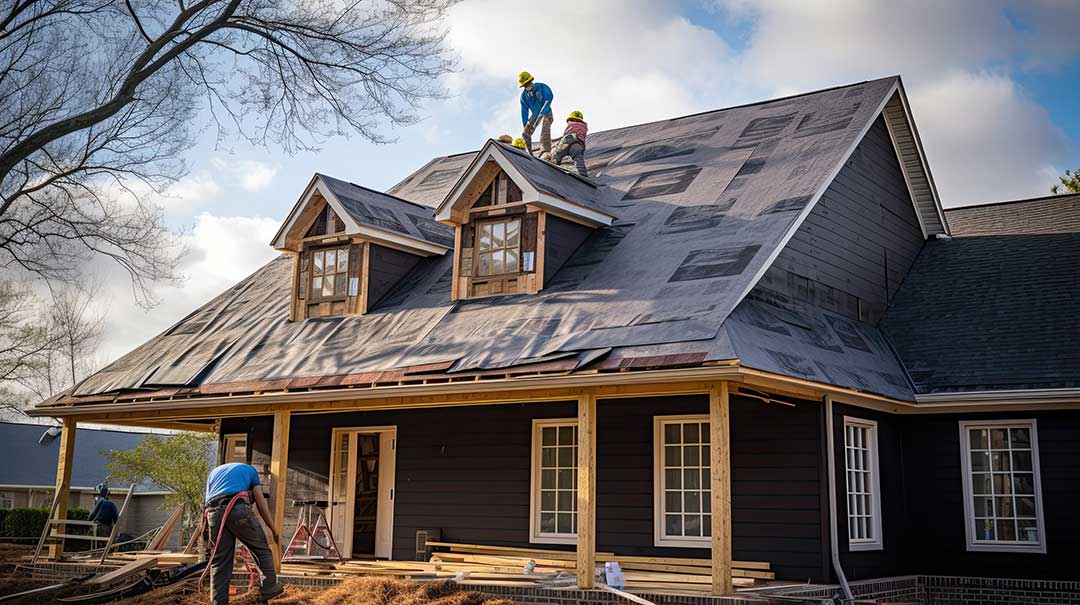
Local building codes do not yet require cool roofing for all re-roofing projects, but being informed about a material’s rating helps area residents make cost-effective, energy-smart choices.
Are There Trade-Offs or Limitations to Choosing a High Cool Roof Rating?
Yes, especially for homes in climates with long, cold seasons in addition to hot summers. There are also some style and compatibility trade-offs to consider:
- Light-colored roofs may show stains or algae more quickly in damp, shady areas
- Not every roofing style or historical home look can be replicated with cool materials
- Availability and pricing can depend on current supply, especially with certain specialty products
For homeowners with a significant number of overhanging trees, the natural shade may already be helping with summer roof heat, possibly lessening the impact of a very high-reflectance roof.
Can Existing Roofs Be Made Cooler?
Many existing roofs can be improved through reflective roof coatings, which are often applied as liquids on flat or low-slope surfaces. These can increase reflectance and emittance, though results depend on correct preparation and material compatibility.
Not all roof types or older shingles are good candidates for coatings. Always consider the age and integrity of your current roofing before pursuing this option.
Where Can Local Residents Find Trusted Information on Roof Ratings?
Independent testing authorities such as the Cool Roof Rating Council (CRRC) and Energy Star provide reliable product listings. Checking these resources helps ensure that any published reflectance and emittance figures are accurate.
Area residents can also look to local building department guidelines for any updates, especially as interest in energy efficiency continues to grow. For residents of Mechanicville, resources like these support confident, well-informed home improvement choices.
